The Checkup Clue: What Your Dentist Can See About Celiac Before Anyone Else Does
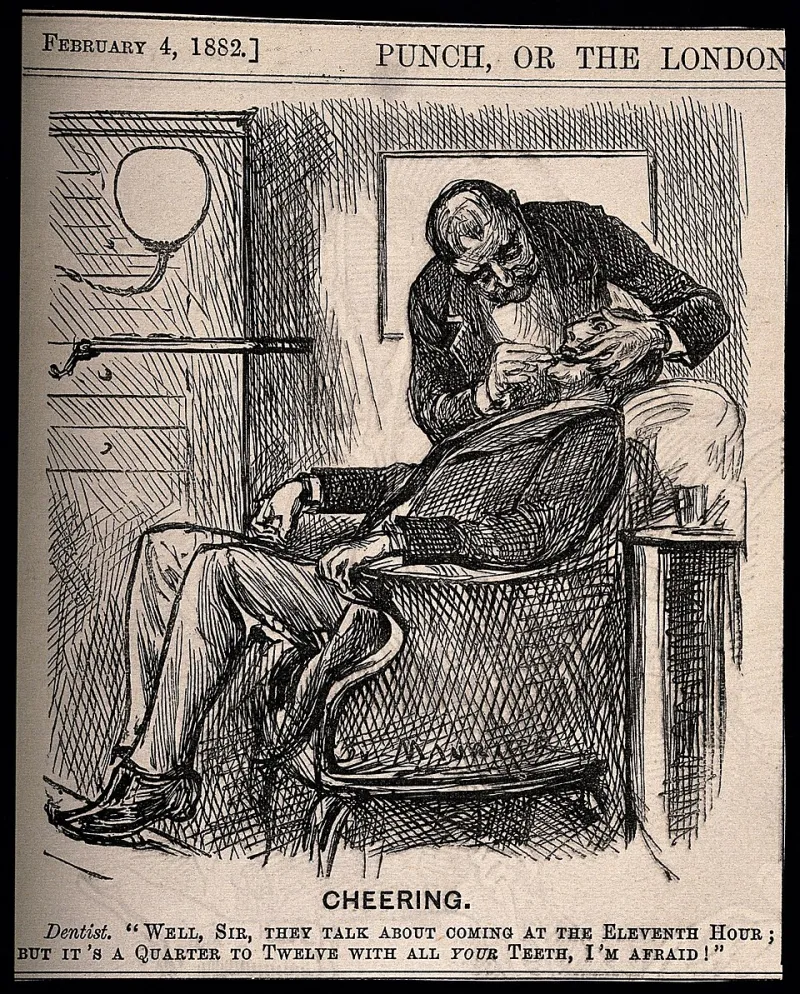
Photo: Unknown, CC BY 4.0, via Wikimedia Commons
Most people see their dentist more often than their primary care doctor. That is a quirk of the American health system, and for undiagnosed celiac patients it turns out to be useful, because the mouth is one of the places where celiac disease quietly makes itself known.
The clues are not obvious to the untrained eye. But to a dentist who knows what to look for, they can be the first nudge toward a diagnosis that otherwise takes years to arrive.
The Mouth Is a Mirror
Celiac disease is an autoimmune condition, and its reach is not limited to the small intestine. Nutrient absorption problems, chronic inflammation, and immune activation all show up in soft tissue and tooth structure. Dental researchers have been writing about this for decades, and the pattern keeps holding: a meaningful share of people later diagnosed with celiac had oral findings that predated the diagnosis, sometimes by years.
What follows is not a self-diagnosis checklist. It is a list of things worth mentioning if they sound familiar.
Enamel That Never Formed Quite Right
Enamel defects are one of the best-documented oral signs. When celiac disease is active during childhood — the years when permanent teeth are still forming under the gumline — the enamel can come in thin, pitted, discolored, or with visible grooves and bands.
Dentists often describe these as symmetric defects: the same pattern on the same teeth on both sides of the mouth, which is a hint that something systemic was happening during development rather than an isolated injury. Molars and incisors are the usual suspects.
If your dentist has ever commented that your enamel is unusually weak for someone with your habits, that is a thread worth pulling.
Canker Sores That Keep Coming Back
Recurrent aphthous stomatitis — the fancy term for canker sores that return again and again — is one of the more common oral complaints linked to celiac disease. Plenty of people get these for unrelated reasons: stress, minor trauma, certain foods, vitamin deficiencies.
But frequency matters. If you are getting painful sores several times a year, or if they cluster and take weeks to heal, it is reasonable to bring it up with a doctor rather than just buying more numbing gel.
Children's Teeth on a Delayed Timeline
For kids, dentists may notice teeth arriving later than expected, or a pattern of eruption that does not match the child's age. Delayed dental development can have many causes, but in a child who is also small for their age, prone to stomach trouble, or chronically tired, celiac disease belongs on the list of things to rule out.
Pediatric dentists see children every six months during exactly the years when these clues are most likely to appear. That puts them in an unusual position to flag something.
Other Things Dentists Notice
Beyond enamel and sores, dental professionals may pick up on:
- Dry mouth or reduced salivary flow
- Higher cavity rates despite reasonable hygiene
- Geographic tongue, where patches on the tongue surface shift over time
- Delayed healing after extractions or other procedures
- Soft, chalky enamel that chips more easily than expected
None of these is a smoking gun on its own. Together, or repeated over multiple visits, they form a pattern.
Why This Matters in the U.S.
Celiac disease remains substantially underdiagnosed here, and the average time from first symptoms to diagnosis is still measured in years, not months. Anything that shortens that gap is worth taking seriously. A dentist who mentions a suspicious pattern is not diagnosing you — they are handing you a reason to ask your doctor a specific question, and that is often the hardest step.
How to Bring It Up Without Derailing Your Care
You do not need to lecture. Try something plain: "I have read that enamel defects and recurring mouth sores can sometimes be linked to celiac disease. Is that something you see? Should I mention it to my doctor?"
Most dentists will either engage or refer you onward. If you get a blank stare, that is information too — you can still take the question to your primary care provider or a gastroenterologist.
One important caution: do not go gluten-free before testing. Celiac blood tests and biopsies require you to be eating gluten, and stopping early can make results falsely reassuring. If a screening is on the table, keep eating gluten until your doctor tells you otherwise.
Dental Products and the Gluten Question
Here is the reassuring part. Most dental products — toothpastes, mouthwashes, fluoride varnish — are not a meaningful gluten risk, and the amounts involved are tiny even when an ingredient sounds suspicious. Prophylaxis paste is the one people ask about most; ask your hygienist to check the label if you want certainty, and they can usually swap products without drama.
The bigger deal is not the polish. It is making sure your dental team knows you have celiac disease so they can note it in your chart, watch for related findings over time, and avoid unnecessary prescribing of anything that might bother you.
The Takeaway
Your dentist is not going to hand you a celiac diagnosis at a cleaning. But they might notice something that gets you to the right doctor sooner, and in a condition famous for being missed, that counts for a lot. Say the words. Ask the question. The worst outcome is a shrug.