Pills, Capsules, and Hidden Gluten: What Every Celiac Needs to Know Before Opening the Medicine Cabinet
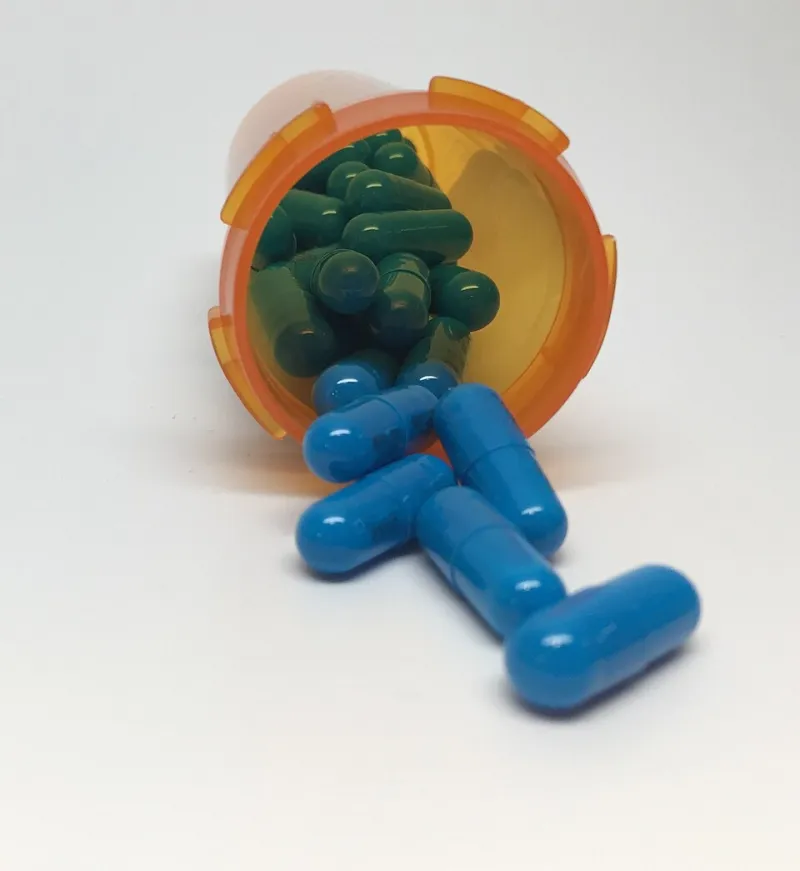
Photo: NIAID, CC BY 2.0, via Wikimedia Commons
You've overhauled your pantry. You know which soy sauces are safe and which salad dressings are landmines. You've even trained your family to flip over every package before it hits the grocery cart. But here's a question worth sitting with: when did you last look at the inactive ingredients in your daily multivitamin?
For people managing celiac disease, gluten exposure isn't always a dinner table problem. It can arrive in a capsule, a chewable tablet, or a liquid gel softened with wheat-derived starch. And because medications aren't regulated the same way food is, the process of tracking down gluten in pharmaceuticals is a whole different challenge.
Let's break it down.
Why Gluten Shows Up in Medications at All
Here's the thing — pharmaceutical manufacturers aren't trying to sneak gluten into your prescriptions. Gluten-containing ingredients typically end up in medications for completely functional reasons. Wheat starch is an excellent binder. Dextrin (which can be wheat-derived) helps tablets hold their shape. Modified food starch acts as a filler. Pregelatinized starch is used as a disintegrant to help pills dissolve properly in your stomach.
The frustrating reality is that the FDA doesn't require pharmaceutical companies to disclose whether these ingredients come from wheat, corn, or another source. That means a label can say "starch" without telling you a single thing about where that starch came from.
Additionally, gluten-free labeling laws that apply to food products in the US — specifically the FDA's 2013 rule defining gluten-free as containing fewer than 20 parts per million — do not automatically extend to medications or dietary supplements. You're working with a different rulebook entirely.
The Usual Suspects: Which Medications Are Most Likely to Contain Gluten
Not all medications carry the same level of risk. Here's where to focus your attention:
Prescription medications: Most name-brand drugs are actually well-documented, and many manufacturers will confirm gluten-free status if you contact them directly. Generic drugs are trickier — the same active ingredient can be manufactured by dozens of different companies, each using their own set of inactive ingredients. Switching to a generic version of a medication you've taken safely for years could introduce a new exposure risk.
Over-the-counter pain relievers and cold medicines: Coatings on tablets and capsule fillers are common culprits here. Some antacids and digestive aids — ironically the very things people reach for when they're feeling glutened — may themselves contain wheat derivatives.
Vitamins and dietary supplements: This category deserves extra scrutiny. The supplement industry is loosely regulated, and cross-contamination during manufacturing is a real concern even when the primary ingredients are gluten-free. Gummy vitamins, in particular, often use wheat-based thickeners.
Herbal remedies and homeopathic products: These are frequently produced in facilities that handle gluten-containing materials, and ingredient sourcing is often less transparent than conventional pharmaceuticals.
How to Actually Find Out If Your Medication Is Safe
This is where a lot of people get stuck. The label says "starch" and you're left guessing. Here's a practical approach:
Start with the package insert. Every prescription medication comes with a detailed insert listing all inactive ingredients. OTC products have this information on the box or online. Look specifically for: wheat starch, wheat-derived dextrin, modified food starch, pregelatinized starch, and gluten (which is occasionally listed directly).
Call the manufacturer. This sounds like a lot of effort, but it's often the most reliable route. Most major pharmaceutical companies have medical information lines staffed by people who can tell you definitively whether a specific lot of medication contains gluten. Have your medication's NDC (National Drug Code) number ready — it's on the label — so they can give you accurate, lot-specific information.
Talk to your pharmacist. A good pharmacist is genuinely one of your best allies here. They have access to databases that go beyond what's printed on the box, and many are familiar with the concerns celiac patients have. Don't be shy about asking. If your pharmacy has a compounding service, they may even be able to prepare certain medications using verified gluten-free ingredients.
Use trusted online resources. The University of Chicago's Celiac Disease Center maintains resources on medication safety. The Celiac Disease Foundation also offers guidance. Dedicated apps and databases like the Gluten Free Drugs website (glutenfreedrugs.com) — maintained by a pharmacist — compile verified information on hundreds of medications.
Talking to Your Doctor About This
Bringing up medication ingredients at your next appointment might feel awkward, but it's a completely legitimate medical concern. If you've been experiencing unexplained symptoms despite strict dietary compliance, your medications are worth investigating as a potential source.
Come prepared. Write down every medication, supplement, and vitamin you take regularly. Ask your doctor whether any of them contain potentially problematic fillers, and whether alternatives exist. If you're being prescribed something new, it's entirely reasonable to ask your doctor to specify "gluten-free formulation" on the prescription, or to request a brand that the manufacturer has confirmed is safe.
A Few Practical Habits Worth Building
Beyond the initial audit of your medicine cabinet, there are some ongoing habits that can significantly reduce your risk:
- Re-check when your pharmacy switches suppliers. Generic medications change manufacturers frequently. A drug you've taken safely for two years might arrive in a different formulation next month. Ask your pharmacist to flag any changes.
- Be cautious with samples. Free samples from a doctor's office may not be the same formulation as what you'd normally take, and the documentation may be harder to track down.
- Don't assume "natural" means safe. Natural and herbal products aren't held to stricter standards — if anything, they're often less well-documented.
- Keep a symptom journal. If you're experiencing reactions you can't trace to food, tracking when symptoms occur alongside what medications you've taken can help identify patterns.
The Bottom Line
Managing celiac disease is a full-time job, and the medication piece of the puzzle is one that even experienced celiacs sometimes overlook. The good news is that with the right questions and the right resources, it's entirely manageable. Your pharmacist, your doctor, and reputable celiac organizations are all on your team here.
Your vigilance in the kitchen matters — and so does the same vigilance in your medicine cabinet. Both spaces deserve the same careful attention.