Holiday Tables, Celiac Realities: How to Protect Your Health Without Losing the Magic

There's something uniquely bittersweet about the holidays when you're raising a child with celiac disease—or when you've been diagnosed yourself and suddenly your family's most beloved recipes feel off-limits. The smell of grandma's stuffing, the ritual of rolling out pie crust, the bowl of cookies that's always on the counter from Thanksgiving through New Year's. Food isn't just fuel during the holidays. It's memory. It's love. It's identity.
And when celiac disease walks through the door, it can feel like it's threatening all of that.
Here's the thing though: it doesn't have to. The spirit of every holiday tradition you've ever loved is absolutely survivable with celiac—and in a lot of cases, it's more than survivable. It's adaptable in ways that might actually surprise you.
The Emotional Side Nobody Talks About
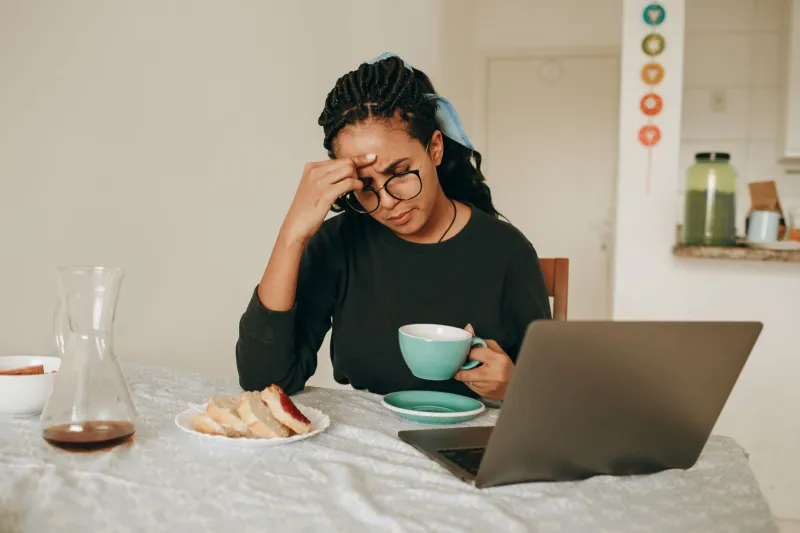
Before we get to the practical stuff, let's just acknowledge something: grief is real here. If your child was just diagnosed and Thanksgiving is three weeks away, you're probably not feeling grateful right now. You might be angry. You might be sad. You might be dreading the conversation with your mother-in-law about why the green bean casserole has to change this year.
All of that is valid.
Parents especially tend to carry a heavy load of guilt around celiac—guilt that their kid can't eat what everyone else is eating, guilt about the disruption to family routines, guilt about making holidays feel "complicated." But here's a reframe worth trying: you're not the person making the holidays complicated. Celiac disease is. And managing it thoughtfully is one of the most loving things you can do for your family.
Give yourself permission to feel the loss of the old way of doing things. Then give yourself permission to build something new.
Start the Conversation Early (Yes, Really)
If you're heading to someone else's home for the holidays, the worst time to bring up cross-contamination concerns is when you're standing in the kitchen watching your aunt stir the gravy with the same spoon she just used on the breadcrumbs.
Reach out weeks in advance. Keep it simple and positive—something like, "We're so excited to come. Can I talk through a few things about [child's name]'s diet so we can make sure they can safely eat with everyone?" Most people genuinely want to help. They just need specific information and enough lead time to actually use it.
Bring a dish or two that you know is safe. Frame it as contributing to the feast, not as a critique of the host's cooking. Nobody feels defensive about a guest who shows up with a beautiful gluten-free apple crisp and a smile.
Adapting the Recipes That Actually Matter
Here's where things get genuinely exciting, even if it doesn't feel that way yet: a huge number of classic holiday dishes are naturally gluten-free or extremely close to it. Roasted turkey, mashed potatoes, sweet potatoes, cranberry sauce, roasted vegetables, deviled eggs, most pies with a swapped crust—these are all on the table (literally) without much effort.
The trickier ones—stuffing, gravy, casseroles with cream of mushroom soup, rolls, layer cakes—require a bit more intention, but they're not lost causes.
Stuffing is probably the most emotionally loaded one for a lot of families. The good news is that gluten-free bread has come a long way. Canyon Bakehouse, Udi's, and several other brands make sandwich-style loaves that cube and toast beautifully. Use the same aromatics, the same herbs, the same broth your family always used—and most people genuinely can't tell the difference once it's baked.
Gravy is often thickened with flour, but a simple swap to cornstarch or a certified gluten-free flour blend works seamlessly. The key is making sure your broth is also gluten-free (check labels—some store brands sneak in additives).
Casseroles that call for cream of mushroom soup can be made with a homemade gluten-free white sauce or with Pacific Foods' gluten-free condensed soup options. It takes maybe ten extra minutes and it's genuinely delicious.
Rolls and baked goods are the hardest category, honestly. Gluten-free baking is its own skill set, and holiday baking is already stressful. Our suggestion: don't try to recreate everything in the first year. Pick one or two items that matter most to your family and focus your energy there. Let the rest go for now.
Managing the Family Dynamics
Even when everyone has the best intentions, holiday gatherings with celiac disease can get socially complicated. The relative who keeps saying "just a little bit won't hurt." The cousin who helpfully adds a crouton to the salad after you specifically asked them not to. The grandparent who feels criticized when you won't eat their famous dish.
A few things that actually help:
Designate one trusted person in the kitchen. At big family gatherings, it helps to have one person—maybe a sibling, a spouse, a close family friend—who understands cross-contamination and can be your eyes and ears near the food.
Create a safe plate system. For kids especially, having their food plated and set aside before the serving chaos begins takes a lot of pressure off. It's not a big deal, and it prevents the scramble of trying to figure out what's safe in the moment.
Let go of the need to convince everyone. Some relatives will never fully understand celiac disease, and that's okay. You don't need their understanding to keep your child safe. You just need their cooperation on a few key things. Focus on the practical asks rather than the educational ones.
Building New Traditions That Belong to You
Here's the part that can actually feel good, even in the middle of all the adjustment: celiac disease has a way of pushing families to be more intentional about their traditions. When you can't just default to the same store-bought pie every year, you end up making something from scratch together. When you can't grab fast food on the drive to grandma's house, you pack a cooler with food you actually thought about.
Some families find that the diagnosis becomes an unexpected catalyst for cooking together more, for paying closer attention to what they're eating, for discovering new recipes that become the new beloved traditions.
Maybe your family's new Thanksgiving thing is a gluten-free chocolate pecan pie that your kid helped make. Maybe Christmas morning pancakes get a complete overhaul and end up being something everyone prefers. Maybe the holiday cookie exchange becomes the year you finally figured out gluten-free spritz cookies and they were actually perfect.
The spirit of celebration—the togetherness, the ritual, the sense of abundance and gratitude—doesn't live in the gluten. It never did. It lives in the people around the table and the care that goes into feeding them.
You've got this. And your family's holiday table is going to be just fine.