The Real Truth About Eating Out with Celiac: What Keeps You Safe and What Just Feels That Way
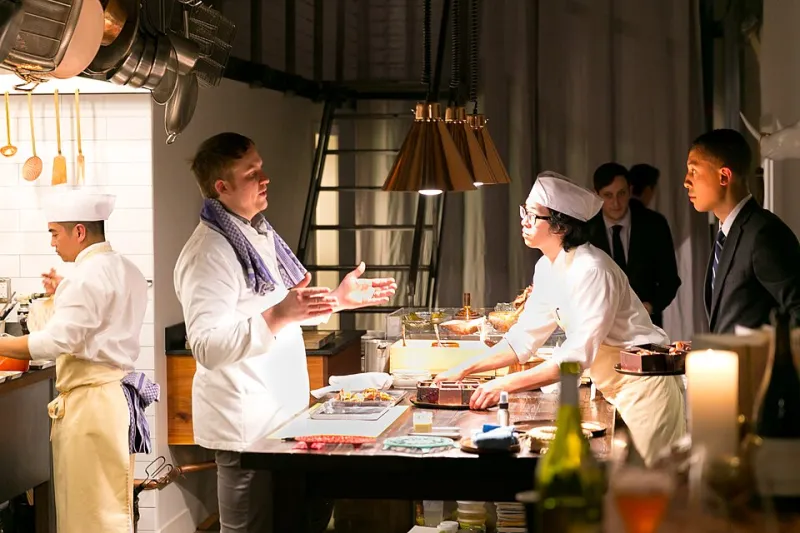
Photo: City Foodsters, CC BY 2.0, via Wikimedia Commons
Every celiac has been there. You've flagged your allergy with the server, watched them write it down, seen them disappear into the kitchen with what felt like serious intent—and then spent the next three days wondering if what you're feeling is anxiety or the beginning of a reaction.
The "ask the chef" advice isn't wrong, exactly. But it's incomplete in ways that matter. Real restaurant safety for people with celiac disease depends on a lot more than a well-intentioned conversation at the table. It depends on how a kitchen is physically set up, what the staff training actually looks like, how busy the service is, and whether the restaurant has systems in place—or is just winging it based on whoever happens to be working that night.
Let's get into what actually protects you, and what just makes you feel like you did your due diligence.
Why "Gluten-Free Menu" Doesn't Mean What You Think It Means
Restaurants add gluten-free menu labels for a lot of reasons. Sometimes it reflects genuine protocol. Often it reflects marketing. There's no federal standard in the US that requires a restaurant to meet any specific safety threshold before calling something gluten-free—unlike packaged food, which must contain fewer than 20 parts per million of gluten to carry that label under FDA rules.
A restaurant can call a dish gluten-free because it contains no gluten-containing ingredients, even if it's cooked in shared fryer oil, plated on a surface dusted with flour, or assembled by hands that just finished rolling pasta. That's not malicious—it's just a gap between how the food industry uses the term and what it means for someone with celiac disease.
So when you see a gluten-free menu, your next question shouldn't be "great, what do I order?" It should be "what does this restaurant actually do differently to prevent cross-contact?"
Kitchen Setup Is Everything
Here's something most celiac dining guides don't talk about enough: the physical layout of a restaurant kitchen has more impact on your safety than almost anything you say to a server.
A small restaurant with a single flat-top grill, one fryer, and a cramped prep area is going to have a much harder time keeping your food separated than a larger operation with dedicated stations and space to work. That's not a character judgment—it's physics.
Specific kitchen factors that raise your risk:
- Shared fryers. If a restaurant fries anything breaded or flour-coated, that oil is contaminated. Period. Even if your fries are technically made from potatoes with no added gluten, they're not safe if they share oil with onion rings or fried chicken.
- Shared pasta water. Boiling pasta in water and then cooking a "gluten-free" dish in the same pot—or even rinsing it and reusing it—transfers enough gluten to cause a reaction.
- Open prep areas. Kitchens where flour is actively in the air (think pizza places, bakeries, or from-scratch bread operations) present an inhalation and surface contamination risk that's genuinely difficult to mitigate.
- High-volume service. Even a kitchen with good protocols gets sloppy during a Saturday night rush. Timing your visit for slower service periods—early weekday lunches, for instance—can meaningfully reduce error rates.
Which Restaurant Types Tend to Be Safer (And Which Aren't)
No cuisine or restaurant format is universally safe or unsafe, but patterns do exist.
Better track records:
- Dedicated gluten-free restaurants (obviously) and certified gluten-free establishments, which do exist in many US cities and can be found through celiac-specific apps
- Mexican restaurants with naturally corn-based menus, where flour tortillas are clearly separated from corn options and fryers aren't shared—though you'll want to verify this
- Steakhouses and protein-focused restaurants where the menu is inherently lower in gluten and staff are accustomed to allergy modifications
- Sushi restaurants (with caveats around soy sauce—always ask for tamari)
Higher-risk environments:
- Pizza restaurants, even those offering gluten-free crusts, because flour is airborne throughout the kitchen
- Bakeries and brunch spots where baking is central to operations
- Asian restaurants that use soy sauce or wheat-based sauces as foundational ingredients across many dishes
- Buffets, where serving utensils migrate between dishes constantly
- Fast-casual chains that prep everything in open, shared spaces regardless of what the menu says
What to Actually Say—and Who to Say It To
The server is not your safety officer. They're often the least informed person in the chain about actual kitchen protocols. That's not a knock on servers—it's just the reality of how most restaurants operate.
When possible, ask to speak with a manager or the chef directly before ordering. Not because they're magically more trustworthy, but because they're more likely to know what actually happens back there. When you do have that conversation, the questions that get you real information include:
- Do you have a dedicated prep area or cookware for gluten-free orders?
- Are your fryers shared with anything breaded or battered?
- How do you prevent cross-contact during plating?
- Is your staff trained specifically on celiac versus a general gluten sensitivity?
Pay attention to how they answer, not just what they say. A manager who responds confidently with specific details is a better sign than one who says "oh yes, we take allergies very seriously" without explaining what that actually means. Vague reassurance is a red flag.
Also: if a server seems annoyed by your questions, or if the restaurant is clearly slammed and nobody has time to engage with you, that's information. It's okay to leave.
Red Flags That Mean You Should Walk Away
Some situations are genuinely not fixable with better communication:
- The kitchen uses shared fryers and won't change that for your order
- The staff can't answer basic questions about cross-contact prevention
- There's visible flour in the air or on surfaces near where your food would be prepared
- The restaurant is so busy that nobody can give your order proper attention
- You've eaten there before and gotten sick
That last one is worth sitting with. It can be tempting to give a favorite spot another chance, especially if you love the food or the experience. But a restaurant that made you sick once has shown you something real about its kitchen. Trust that data.
The Honest Bottom Line
Eating out with celiac disease involves a level of risk that doesn't fully disappear no matter how careful you are. That's not a reason to never dine out—it's a reason to make informed choices about where you spend that risk budget.
Some restaurants genuinely can accommodate you safely. They've thought about it, trained their staff, and built systems that hold up under pressure. Others can't, no matter how willing they are. The difference usually lives in the kitchen, not in the conversation you have at the table.
Choose your restaurants deliberately. Ask specific questions. Know your red flags. And on the nights when nothing feels safe enough, remember that a meal you cook at home and eat with people you love is still a meal worth having.