Your Gut After Celiac: What's Actually Happening Inside and How to Help It Heal
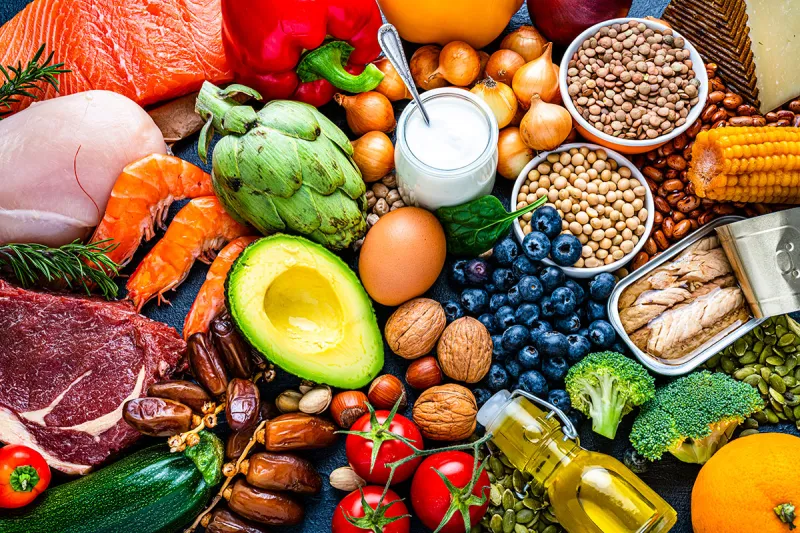
Photo: healthy gut microbiome digestive health illustration with vegetables, via www.cfaortho.com
Getting diagnosed with celiac disease often feels like a finish line. You finally have an answer. You cut out gluten, you wait to feel better — and then, for a lot of people, better takes longer than expected. Maybe a lot longer.
That gap between "I stopped eating gluten" and "I actually feel well" is one of the most confusing and frustrating parts of this disease. Understanding what's happening in your gut during that window — and what you can reasonably do to support the process — can make a real difference, both practically and emotionally.
What Celiac Actually Does to Your Intestinal Lining
To understand healing, it helps to understand the damage. In people with celiac disease, gluten triggers an immune response that attacks the villi — the tiny, finger-like projections lining the small intestine that are responsible for absorbing nutrients. Over time, this immune assault flattens those villi, a condition called villous atrophy.
Flattened villi mean reduced surface area for absorption. That's why celiac disease causes such a wide range of symptoms — not just digestive issues, but fatigue, anemia, bone density loss, brain fog, and more. The intestine isn't just inflamed; it's structurally compromised.
When you go gluten-free, the immune attack stops (assuming you're truly eliminating gluten). But the structural repair takes considerably longer than most people expect.
Realistic Healing Timelines
Here's the honest answer: it varies a lot, and for many adults, full mucosal healing takes longer than a year — sometimes two or more. Research published in gastroenterology journals has found that while children with celiac disease tend to heal relatively quickly (often within one to two years), adults frequently show incomplete villous recovery even after two years on a strict gluten-free diet.
That doesn't mean you won't feel better sooner. Many people notice symptom improvement within weeks to months of going gluten-free. But feeling better and being fully healed at the cellular level are two different things — which is one reason follow-up care with a gastroenterologist matters even after your symptoms improve.
Factors that influence your healing timeline include:
- How long you had undiagnosed celiac disease
- The degree of intestinal damage at diagnosis
- How strictly you're able to maintain a gluten-free diet
- Whether you have other digestive conditions alongside celiac
- Your age at diagnosis
Your Microbiome: The Often-Overlooked Piece of the Puzzle
The gut microbiome — the vast ecosystem of bacteria, fungi, and other microorganisms living in your digestive tract — takes a significant hit from celiac disease. Studies have consistently shown that people with active celiac disease have measurably different microbiome compositions compared to healthy controls, with lower levels of beneficial bacteria like Lactobacillus and Bifidobacterium and higher levels of potentially harmful species.
Interestingly, going gluten-free doesn't automatically restore microbiome balance. The gluten-free diet itself can alter your microbial community in ways that aren't always beneficial — partly because many gluten-free processed foods are lower in fiber and whole grains that feed healthy gut bacteria.
This matters because the microbiome plays a role in immune regulation, nutrient absorption, and inflammation — all things that are directly relevant to celiac recovery.
What You Can Actually Do: Evidence-Based Strategies
Prioritize Whole, Fiber-Rich Foods
This is the single most impactful dietary move for microbiome health. Beneficial gut bacteria thrive on fermentable fiber — the kind found in vegetables, legumes, fruits, nuts, and whole gluten-free grains like quinoa, certified gluten-free oats (if you tolerate them), and brown rice. A diet heavy in processed gluten-free alternatives — white rice flour crackers, refined pasta — doesn't give your gut bacteria much to work with.
Consider Probiotics — With Realistic Expectations
The research on probiotics for celiac disease is promising but still evolving. Certain strains, particularly Lactobacillus and Bifidobacterium species, have shown potential for supporting gut barrier function and reducing inflammation in studies. However, no probiotic has been proven to accelerate celiac healing or replace a strict gluten-free diet.
That said, many gastroenterologists are comfortable recommending a quality probiotic supplement as part of a broader gut-health strategy. Look for products with documented strain information and third-party testing. Always check labels for gluten — some capsule coatings or fillers contain hidden sources.
Prebiotics: Feed What You've Got
Prebiotics are the food source for your beneficial bacteria — things like inulin, fructooligosaccharides (FOS), and resistant starch. You can get them from foods like garlic, onions, leeks, asparagus, bananas, and cooked-then-cooled potatoes. If you're not eating enough of these naturally, prebiotic supplements are an option, though starting slowly is wise since they can cause gas and bloating initially.
Digestive Enzymes: Helpful Tool, Not a Fix
Some people with celiac disease use digestive enzyme supplements to help manage symptoms, particularly in the early stages of healing when the intestinal lining is still compromised and absorption is impaired. There are also enzymes marketed specifically to break down gluten — but it's critical to understand that these are not a substitute for a gluten-free diet. They cannot protect a celiac from the immune response triggered by gluten. Think of them as a potential support tool, not a safety net.
Manage Stress (Yes, Really)
The gut-brain axis is real, and chronic stress genuinely affects gut motility, permeability, and microbial balance. Celiac diagnosis and the demands of managing a gluten-free life are themselves sources of stress. Building in stress-reduction practices — whether that's regular exercise, mindfulness, adequate sleep, or simply spending time outdoors — isn't a soft recommendation. It has measurable effects on digestive health.
Common Myths Worth Debunking
Myth: If your symptoms are gone, you're healed. Not necessarily. Asymptomatic celiacs can still have active intestinal damage. Regular follow-up with your doctor is important even when you feel fine.
Myth: Gluten-free oats are safe for everyone with celiac. Some people with celiac react to avenin, a protein in oats, even when those oats are certified gluten-free. Introduce them cautiously and watch for symptoms.
Myth: Probiotics can compensate for accidental gluten exposure. They can't. A probiotic is not a rescue treatment after a glutening.
When to Loop In Your Doctor
If you've been strictly gluten-free for six months or more and you're still experiencing significant symptoms — ongoing diarrhea, persistent fatigue, significant weight loss, or neurological symptoms — it's time to get back to your gastroenterologist. You may need repeat bloodwork, a follow-up endoscopy, or evaluation for refractory celiac disease or other overlapping conditions like small intestinal bacterial overgrowth (SIBO) or microscopic colitis.
Healing from celiac disease is a process, not a switch. But with the right information, the right support, and a little patience with your own body, real recovery is absolutely possible.