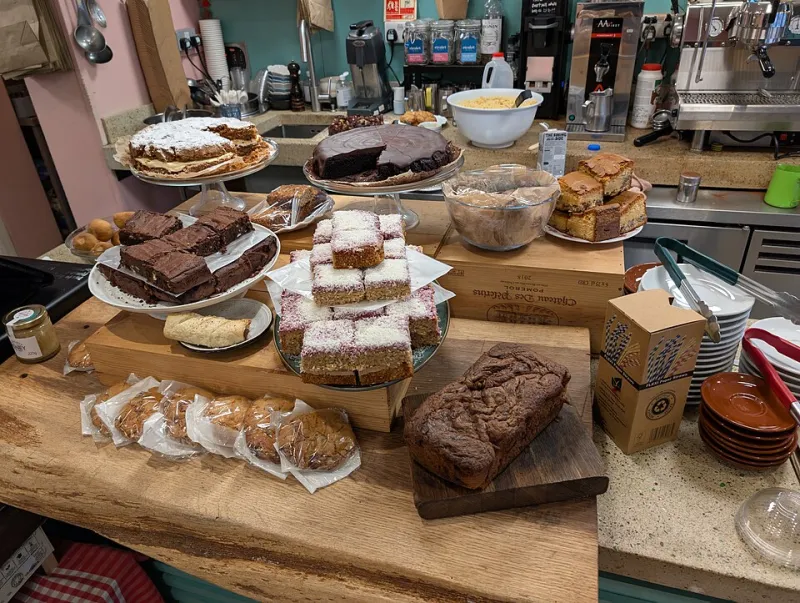
Raising a Celiac Kid: How to Keep School, Sleepovers, and Saturday Games Safe (Without Losing Your Mind)
Photo: West Midlands Police from West Midlands, United Kingdom, CC BY-SA 2.0, via Wikimedia Commons
There's a particular kind of exhaustion that comes with parenting a child who has celiac disease. It's not just the label reading or the separate pasta pot—it's the constant mental math. Did the coach bring snacks? Is there a birthday cupcake situation happening at school today? What does my kid do if someone offers them a pretzel at the sleepover?
You want your child to have a full, normal childhood. The good news: they absolutely can. It just takes a bit more prep work upfront—and a lot of confidence-building along the way.
Starting at School: The Cafeteria Is Your First Frontier
For most celiac families, the school cafeteria is where anxiety peaks. And honestly, that makes sense. Shared surfaces, mystery sauces, and well-meaning but undertrained lunch staff create real cross-contamination risks.
Your first move? Request a meeting with the school's food service director before the school year starts—not during the chaos of the first week. Come prepared with a written summary of your child's diagnosis, what celiac disease actually is (many people still confuse it with a preference or a mild intolerance), and what cross-contamination means in a kitchen setting.
Under Section 504 of the Rehabilitation Act, celiac disease may qualify as a disability, which means your child could be entitled to accommodations—including a modified school meal plan. Connect with your child's gastroenterologist to get documentation, then work with the school's 504 coordinator to put a plan in writing. This isn't about being difficult; it's about making sure your child has the same access to a safe lunch that every other kid does.
Practical tip: Pack a backup lunch every single day, even on days when the school menu looks safe. Menus change, ingredients swap, and kitchens get busy. A packed lunch from home is your insurance policy.
Talking to Teachers (Without Writing a Novel)
Your child's classroom teacher doesn't need to become a celiac expert overnight—but they do need to understand the basics. Keep your explanation short and memorable: "Gluten is a protein in wheat, barley, and rye. Even a tiny amount can make my child seriously ill—it's not an allergy, it's an autoimmune disease. Please don't offer shared food without checking with us first."
Ask teachers to notify you ahead of time about class parties, holiday events, and any activities that involve food. A quick email a few days before goes a long way. You can also send in a stash of individually wrapped, clearly labeled treats that can be swapped in when the class is celebrating—so your kid never has to sit out.
For field trips, connect with the teacher and the chaperones. Pack your child's food in a clearly labeled bag and include a short note explaining what celiac disease is, just in case.
Coaches, Team Snacks, and the Post-Game Pizza Problem
Sports teams run on snacks. Orange slices, granola bars, pizza after the big win—it's all part of the experience. For a celiac kid, it can feel like a minefield.
Have a candid conversation with your child's coach early in the season. You don't need them to overhaul the snack rotation; you just need them to give you a heads-up so you can send an alternative. Most coaches are genuinely willing to help once they understand the stakes.
Some families find it easier to volunteer as the team's snack coordinator for a season. That way, you can choose options that are naturally gluten-free—fresh fruit, rice cakes, popcorn—and everyone wins without anyone feeling singled out.
As for the post-game pizza tradition: scope out a local spot that offers gluten-free pizza ahead of time, and suggest it to the team parent organizing the outing. Many pizza chains now have gluten-free crust options, though it's worth noting that most aren't prepared in dedicated gluten-free kitchens. For a celiac child, that distinction matters. Call ahead and ask about their cross-contact protocols before committing.
Sleepovers: Fun First, Safety Always
Sleepovers are a rite of passage, and celiac disease doesn't have to change that. What it does require is a bit of coordination with the host family.
Reach out to the other parents before the sleepover and have a friendly, low-pressure conversation. Offer to send food with your child—breakfast items, snacks, anything that might come up. Most parents are relieved rather than offended; they'd rather not accidentally make a child sick.
Pack a small cooler or bag with labeled safe foods: individual cereal cups, fruit pouches, a gluten-free granola bar or two, and a note with your phone number. Brief your child on what to say if they're offered food: "I have celiac disease, so I need to stick to the food I brought—but thanks!" Practice this at home until it feels natural.
Building Your Kid's Confidence to Speak Up
Here's the long game: you won't always be there. The goal isn't just to keep your child safe today—it's to raise a kid who knows how to advocate for themselves.
Start early by involving your child in conversations about their diagnosis. Use age-appropriate language, but don't sugarcoat the seriousness. Kids who understand why they're avoiding gluten are far more likely to make safe choices on their own.
Role-play scenarios at home. Practice what to say when a friend's parent offers a cookie, when the coach pulls out a snack bag, or when a classmate says "just eat it, a little bit won't hurt." The more your child rehearses these moments, the less scary they become in real life.
Celebrate the wins. When your kid successfully navigates a birthday party or speaks up for themselves at a restaurant, make a big deal of it. That kind of confidence compounds over time.
A Quick Checklist for Celiac Families
- Schedule a meeting with the school's food service director before the school year begins
- Request a 504 plan evaluation with documentation from your child's GI doctor
- Email classroom teachers about food-related events at the start of each semester
- Keep a stash of labeled, individually wrapped treats at school for surprise celebrations
- Brief coaches and team parents at the start of each sports season
- Call ahead before any group restaurant outing
- Pack food for all sleepovers and connect with host parents in advance
- Practice self-advocacy conversations at home regularly
Parenting a celiac kid is a marathon, not a sprint. The logistics can feel overwhelming at first, but most families find their rhythm. And as your child grows into someone who confidently navigates their own health? That's one of the most empowering things you'll ever watch happen.